What makes us alive? Is it the chemical composition of our body, and the pumping of our hearts? Or is it something more? Is there a reason that we are alive, a special purpose; different for each individual? Many have tried to answer these questions and the mere question of why we are alive fascinates many. We are alive because... any ideas? In fact, how do we even know we are alive if we were never dead?
What makes us aware of the things around us? What makes us ask these questions and then try, painstakingly, to answer them? We learn in school that we have a heart and that the heart pumping blood and oxygen through our bodies keeps us alive. Only what does it mean to be alive? A more complicated metaphysical theory tries to answer this question. It states that everything is alive. All things are made up of energy and our senses interpret this energy. Science says that for something to be alive it has to have movement, be able to grow and reproduce. Specifically, it has to move by itself.
Another definition is somewhat narrow-minded; it states that only beings who can realise that they exist, are alive. This definition manages to exclude bacteria, plants and animals as we don't know if they realise that they exist, yet we know that they are alive. So this definition makes little sense. All these various definitons tell us that yes, we are alive. But why are we alive? That is something scientists have not yet been able to agree upon.
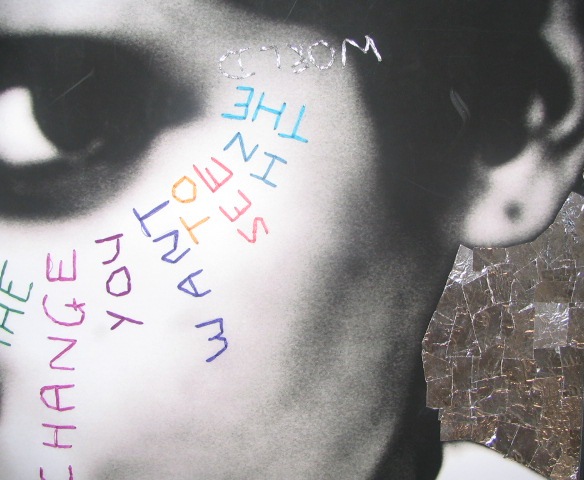
Are we alive because we want to be? Surely, to give up the will to live is to stop living. If this is the case, what makes you want to live? Your family, your friends, your hobbies, your passions... what? Harold Thurman, a philospher, said, "Don't ask what the world needs. Ask what makes you come alive, and go do it. Because what the world needs, is people who have come alive."
What makes you feel alive? Pain, happiness, love, joy... all these feelings make us feel alive. If they make us feel alive, does the ability to feel them make us alive? The word alive is defined as having life. The word life is defined as the condition that distinguishes organisms from inorganic objects and dead organisms, being manifested by growth through metabolism, reproduction and the power of adaptation to environment through changes originating internally. Whatever that means, it explains a lot and leaves even more questions unanswered.
The idea of there being a purpose to life and a reason for our existence past biological reasoning is not a new one. I believe that everything happens for a reaon, both the good and the bad. If I believe this then it's not dificult to believe that there is a reason that we are alive. Richard Bach said, "Here is a test to find whether your mission on earth is finished; if you're alive, it isn't."
Do the questions actually matter? Dr. Seuss said, "Sometimes the questions are complicated and the answers are simple." Is this the case with the question of why we are alive? Are we making things seem more complicated than they really are? Maybe, maybe some day somebody will find the answers, but it's so much fun trying to figure them out. Imagine if there was just one solid answer to this question... so many hours of wondering about it would be spared! What would people do with all that spare time? Maybe, maybe it's better not knowing and asking these questions again and again, as the way that you choose to answer them is the only answer that really matters.
Morrie Schwartz said, "So many people walk around with a meaningless life. They seem half asleep, even when they're busy doing things they think are important. This is because they're chasing the wrong things. The way you get meaning in your life is to devote yourself to loving others, devote yourself to your community around you and devote yourself to creating something that gives you purpose and meaning."
Monday, August 2, 2010

Wednesday, July 28, 2010
"Just how expressive may artists in today's society be?" by Ellen Agnew
After reading an article on how an artwork had been rejected from a display for being too "offensive", I came to wonder about just how expressive artists in today's society may be?
With all the xenophobia in South Africa at the moment, and taking our apartheid past into consideration, race is a touchy subject and freedom of expression is being more frequently conserved as artists are having to question just how much freedom they are allowed.
Ayanda Mabulu's somewhat controversial paintings depicting apartheid South Africa and the late AWB leader, Eugene Terre 'Blanche, as a pig were brushed off as being "offensive" and were not allowed to go on display. The artist argued that it was not his aim to disrespect the late AWB leader, but rather to depict and "show the filthiness of that era." The organisers of the display claimed that they did not wish to cause controversy amongst the people working in their building and "felt apprehensive about the situation."
Although we are living in a society more open to the unusual portrayal of thoughts and ideas, controversy over our apartheid past seems to be taking it one step too far. It seems as though artists are having to pay the price for an audience's comfort by giving up their expressive freedom.
With all the xenophobia in South Africa at the moment, and taking our apartheid past into consideration, race is a touchy subject and freedom of expression is being more frequently conserved as artists are having to question just how much freedom they are allowed.
Ayanda Mabulu's somewhat controversial paintings depicting apartheid South Africa and the late AWB leader, Eugene Terre 'Blanche, as a pig were brushed off as being "offensive" and were not allowed to go on display. The artist argued that it was not his aim to disrespect the late AWB leader, but rather to depict and "show the filthiness of that era." The organisers of the display claimed that they did not wish to cause controversy amongst the people working in their building and "felt apprehensive about the situation."
Although we are living in a society more open to the unusual portrayal of thoughts and ideas, controversy over our apartheid past seems to be taking it one step too far. It seems as though artists are having to pay the price for an audience's comfort by giving up their expressive freedom.
"Broken Beach" by S Storey
The sand between my toes
is reassuring,
but not comforting.
The jagged rocks taunt me;
bringing to my mind
unwanted memories.
I take another step
towards the water.
Please.
Bleach my thoughts,
taint them with hope.
Howl through my ears, wind,
and drown out my sorrows.
I feel unheard
as the broken glass and shells
cut my feet
like broken dreams
shred lives.
I take another step
into the water.
The waves wash away the blood,
the pain and despair.
The salt stings,
but cleans the wound,
healing.
A lonely seagull echoes my silent cries.
My salty tears stain my cheeks.
The waves hit the shore,
Crashing steadily,
like my beating heart.
I take another step,
My cleansed soul
finding peace.
is reassuring,
but not comforting.
The jagged rocks taunt me;
bringing to my mind
unwanted memories.
I take another step
towards the water.
Please.
Bleach my thoughts,
taint them with hope.
Howl through my ears, wind,
and drown out my sorrows.
I feel unheard
as the broken glass and shells
cut my feet
like broken dreams
shred lives.
I take another step
into the water.
The waves wash away the blood,
the pain and despair.
The salt stings,
but cleans the wound,
healing.
A lonely seagull echoes my silent cries.
My salty tears stain my cheeks.
The waves hit the shore,
Crashing steadily,
like my beating heart.
I take another step,
My cleansed soul
finding peace.
"The Future of Tomorrow" by S Storey
People say that the children are the future.
They whisper to each other,
Murming in soft voices,
Trying to understand.
Are there too many fears in the world,
For it to be brought to peace?
Are there too many
Young hearts, already filled,
With hatred?
What future are the children?
Are they the end to war?
Are they justice?
Are they the free spirit,
That everyone longs for?
Are they the heroes,
Who help and heal?
Or, are they a future of silenced heart beats.
Silenced songs.
Silenced voices.
Silenced to death.
Are they a suggestion, or a question?
Are they an exclamation?
Are they the statement of defiance?
What are they?
They are the key,
But also the lock.
They bring questions without answers.
They bring innocence and guilt.
They bring themselves,
Wanting, only, to be accepted.
They bring hope, perhaps doubt.
They bring the dream of the future,
A future already clouded with dreams, ambitions and challenges.
A future that is no longer tomorrow.
The future of tomorrow,
Belongs to today.
Here are the children,
Knocking on your locked doors.
Welcome them;
They are all you have.
They whisper to each other,
Murming in soft voices,
Trying to understand.
Are there too many fears in the world,
For it to be brought to peace?
Are there too many
Young hearts, already filled,
With hatred?
What future are the children?
Are they the end to war?
Are they justice?
Are they the free spirit,
That everyone longs for?
Are they the heroes,
Who help and heal?
Or, are they a future of silenced heart beats.
Silenced songs.
Silenced voices.
Silenced to death.
Are they a suggestion, or a question?
Are they an exclamation?
Are they the statement of defiance?
What are they?
They are the key,
But also the lock.
They bring questions without answers.
They bring innocence and guilt.
They bring themselves,
Wanting, only, to be accepted.
They bring hope, perhaps doubt.
They bring the dream of the future,
A future already clouded with dreams, ambitions and challenges.
A future that is no longer tomorrow.
The future of tomorrow,
Belongs to today.
Here are the children,
Knocking on your locked doors.
Welcome them;
They are all you have.
"The Youth of our Nation" by Gemma Tennick
We are today, we command tomorrow
Our words are what you should be following,
So don't that mean you got to be listening
To what we have to say?
We're the future, we've got to fit somewhere
You'll blame us if we sit and go nowhere
We're the ones who really matter,
At least that's what you always say.
You've put us in charge of climbing the ladder
But we've got no say in where that leads
You only care that we climb higher,
Cursing if we fall off course.
We speak up but you're not interested
Your version of our future is kind of twisted.
I mean, we don't really get to choose,
Does it even really matter to you?
You never know, we could have a solution
To global warming or even pollution
But you'll never know, 'cause you'd never ask
Maybe the world just lost its chance.
We're the ones who really matter
We're the ones who'll be in control
We're the ones who'll do it better
State of the world's proof of that.
Our voices are lost, just a buzz in the crowd
But still you shoult at us telling us to quiet down
On the other hand, "Stand up for what you believe in'
"Hey don't stand now, wait for the news guy to finish."
You really don't care, you're saying it 'cause you've got to
Why don't you see that's not what we want you to
We want you to listen and see our words do matter
We don't want to watch the fat cat get fatter.
Listen, we could say it a 1000 times,
A million. But our voices disappear into oblivion
You're more than just deaf if you can't hear the screaming
But don't you know you're losing, not winning.
You're losing us, you're losing what we have
Then it's our fault if things go bad
We can't be blamed if we never got a shot
To fix it all...and just give it what we've got.
Give us a voice and watch things change
It's time we moved into a brand new age
Stubbornness and pride will lead to your demise
Swallow it...teach us how to be wise.
We're the ones who really matter
We're the ones who'll be in control
We're the ones who'll do it better
The youth of our nation is proof of that.
Our words are what you should be following,
So don't that mean you got to be listening
To what we have to say?
We're the future, we've got to fit somewhere
You'll blame us if we sit and go nowhere
We're the ones who really matter,
At least that's what you always say.
You've put us in charge of climbing the ladder
But we've got no say in where that leads
You only care that we climb higher,
Cursing if we fall off course.
We speak up but you're not interested
Your version of our future is kind of twisted.
I mean, we don't really get to choose,
Does it even really matter to you?
You never know, we could have a solution
To global warming or even pollution
But you'll never know, 'cause you'd never ask
Maybe the world just lost its chance.
We're the ones who really matter
We're the ones who'll be in control
We're the ones who'll do it better
State of the world's proof of that.
Our voices are lost, just a buzz in the crowd
But still you shoult at us telling us to quiet down
On the other hand, "Stand up for what you believe in'
"Hey don't stand now, wait for the news guy to finish."
You really don't care, you're saying it 'cause you've got to
Why don't you see that's not what we want you to
We want you to listen and see our words do matter
We don't want to watch the fat cat get fatter.
Listen, we could say it a 1000 times,
A million. But our voices disappear into oblivion
You're more than just deaf if you can't hear the screaming
But don't you know you're losing, not winning.
You're losing us, you're losing what we have
Then it's our fault if things go bad
We can't be blamed if we never got a shot
To fix it all...and just give it what we've got.
Give us a voice and watch things change
It's time we moved into a brand new age
Stubbornness and pride will lead to your demise
Swallow it...teach us how to be wise.
We're the ones who really matter
We're the ones who'll be in control
We're the ones who'll do it better
The youth of our nation is proof of that.
Thursday, July 22, 2010
"The relevance of school Chapel services" by L Botha
A topic of much discussion, usually on a Friday at about ten o'clock, is why Somerset College offers a chapel service for all students and interested staff members.
As those who are normally discussing the topic are students who have not particularly enjoyed - or found value - in the service, the commentary is often negative. Recently I have thought about why Somerset College offers a chapel service that is compulsory to all students, even though the College strives to be an environment that is welcoming and friendly to all religious groups. Surely favouring one religious group above the others is a contradiction to this ethos?
The first reason that comes to mind, and most likely, to the minds of others is that Somerset College is a Christian school. The College strives not only to give each student the necessary knowledge to handle the world, but also to bestow on each student a sound set of moral values that will enrich both their own and the lives of others. This is a worthy goal; surely it is worth the less than an hour that is spent on it every week?
However, as I thought further on the subject, in large part due to the inevitable discussion on the subject every Friday, I started to realised that there was another reason that the College holds a chapel service every week. Tradition. Chapel services are, not only in South Africa but in many other schools around the world, an expected part of school life. In almost every school I have heard of there are a few certainties: Assembly on Mondays, homework during the week and Chapel on Fridays.
I have never heard this reason spoken out loud before and I don't think that it is often recognized, or particularly appreciated when it is. It would seem odd for a prestigiuos school, like Somerset College, not to have a Chapel service at least once a week. Now that I have had this thought, I can't help but wonder if this isn't the real reason why we have Chapel every Friday. If this is the case, the argument that the aim of Chapel is to teach a sound moral system seems less meaningful. However, I think that there are ways to put this time to valuable use.
I don't think that Chapel should be removed as a part of College life. The moral lessons brought across by medium of religion are valuable and life enhancing. I just think that it should be every person's own choice on the way that they want to go about acquiring them. The saying goes, "You can lead a horse to water but you can't make him drink"; forcing students who gain nothing from Chapel services to attend them causes resentment and achieves nothing. Giving students the choice of whether to attend Chapel or not will make it more valuable for those who do go as they can be sure that they are going for their own benefit and not in order to uphold the school's reputation.
As those who are normally discussing the topic are students who have not particularly enjoyed - or found value - in the service, the commentary is often negative. Recently I have thought about why Somerset College offers a chapel service that is compulsory to all students, even though the College strives to be an environment that is welcoming and friendly to all religious groups. Surely favouring one religious group above the others is a contradiction to this ethos?
The first reason that comes to mind, and most likely, to the minds of others is that Somerset College is a Christian school. The College strives not only to give each student the necessary knowledge to handle the world, but also to bestow on each student a sound set of moral values that will enrich both their own and the lives of others. This is a worthy goal; surely it is worth the less than an hour that is spent on it every week?
However, as I thought further on the subject, in large part due to the inevitable discussion on the subject every Friday, I started to realised that there was another reason that the College holds a chapel service every week. Tradition. Chapel services are, not only in South Africa but in many other schools around the world, an expected part of school life. In almost every school I have heard of there are a few certainties: Assembly on Mondays, homework during the week and Chapel on Fridays.
I have never heard this reason spoken out loud before and I don't think that it is often recognized, or particularly appreciated when it is. It would seem odd for a prestigiuos school, like Somerset College, not to have a Chapel service at least once a week. Now that I have had this thought, I can't help but wonder if this isn't the real reason why we have Chapel every Friday. If this is the case, the argument that the aim of Chapel is to teach a sound moral system seems less meaningful. However, I think that there are ways to put this time to valuable use.
I don't think that Chapel should be removed as a part of College life. The moral lessons brought across by medium of religion are valuable and life enhancing. I just think that it should be every person's own choice on the way that they want to go about acquiring them. The saying goes, "You can lead a horse to water but you can't make him drink"; forcing students who gain nothing from Chapel services to attend them causes resentment and achieves nothing. Giving students the choice of whether to attend Chapel or not will make it more valuable for those who do go as they can be sure that they are going for their own benefit and not in order to uphold the school's reputation.
"Fences" by Sakura Nakada
Fences
Do give hope; do give pain.
They let you see what you can reach.
They let you see the unreachable.
They are "important work" you know,
"Important do our country.
You'll understand that some day."
It's simple.
They keep them out.
They keep us safe.
They make order out of chaos.
They make life black and white.
But,
Like the air that smothers life,
Like the smell of burning bodies,
They are here and there
They are then and now
They are the fences that weave in and out
throughout history
The chuckles of amazement at life's small surprises extinguished by the
sound of
fleeing feet,
the fight for familiar faces' freedom.
What's the difference between that side and this one? Does it matter?
Only the choice of the hand of life and death
Only the lies and stories made up
Only the depiction of propaganda's prejudice and pitying pain
Only the division
Only the separation
Only the loss of humanity
Matter...
Fences
Do give hope; do give pain.
They let you reach what you can see.
They let you see the unreachable.
Do give hope; do give pain.
They let you see what you can reach.
They let you see the unreachable.
They are "important work" you know,
"Important do our country.
You'll understand that some day."
It's simple.
They keep them out.
They keep us safe.
They make order out of chaos.
They make life black and white.
But,
Like the air that smothers life,
Like the smell of burning bodies,
They are here and there
They are then and now
They are the fences that weave in and out
throughout history
The chuckles of amazement at life's small surprises extinguished by the
sound of
fleeing feet,
the fight for familiar faces' freedom.
What's the difference between that side and this one? Does it matter?
Only the choice of the hand of life and death
Only the lies and stories made up
Only the depiction of propaganda's prejudice and pitying pain
Only the division
Only the separation
Only the loss of humanity
Matter...
Fences
Do give hope; do give pain.
They let you reach what you can see.
They let you see the unreachable.
Tuesday, June 15, 2010
"The Maiden Voyage" by David Berndt -Grade 8
The rusty crane towered proudly over the concrete dockside, as it stretched into the misty air, powerfully hoisting out the remains of the most futuristic ship ever built. It was cold and the moisture didn't help the fast-spreading rust as it consumed everything metallic.
The RSS Emerald was beautiful. She sported a racy bow that could be propelled through heavy seas at up to 55 knots, thanks to its hydromagnetotechnodynamic engines. These are supposed to be experimental, but were made especially for this magnificent research cruiser.
The ship had a length of 362 ft and a beam of 80 ft. That made her very fast, and a certified ice-breaker capable of ploughing through 11 ft of ice. It really was the perfect research vessel.
Launched as Simonstown harbour, Captain Hendrik Botha would take her on her maiden voyage to Buenos Aires, where the ship would take on her multi-million dollar submersibles.
The Emerald was breaking records on her voyage; she was setting a time record in arriving at Buenos Aires, reaching speeds of 65 knots on the glassy smooth water.
Captain Botha was a tall, barrel-chested man with piercing green eyes complimented by closely cropped blonde hair. He was proud, but also angry, because the South African dry-dock was slow and had caused delays in the build, so he had to make for lost time.
* * *
The dark figures moved like ghosts through the misty evening. They were good and quickly found what they were looking for. The turquoise bow of the Emerald stood proudly over the concrete dock pilings, an easy target for these experienced men. Even the Emerald's double hull didn't deter them.
They opened their duffel bags and donned the scuba gear inside them. They slipped in and out of the water, unnoticed.
* * *
Muffled explosions filled the cabins of the once peacefully docked ship. "Abandon ship!" shouted Captain Botha repeatedly. It was all unexpected to say the least, but at least the evacuation was going smoothly.
The helmsman's behaviour, strange and forced under such conditions did not go unnoticed though everyone had more pressing things on their mind.
* * *
It was cold and the moisture didn't help the fast-spreading rust from consuming everything metallic. The remains of the RSS Emerald rose steadily higher as the crane reached its load capacity.
"It's clear how it happened," said the short helmsman, "but why is another concern."
"It's competition from other companies," said Botha, "and you should know all about it." With that, Captain Hendrik Botha drew his .44 Calibre and shot the helmsman square in the head.
The RSS Emerald was beautiful. She sported a racy bow that could be propelled through heavy seas at up to 55 knots, thanks to its hydromagnetotechnodynamic engines. These are supposed to be experimental, but were made especially for this magnificent research cruiser.
The ship had a length of 362 ft and a beam of 80 ft. That made her very fast, and a certified ice-breaker capable of ploughing through 11 ft of ice. It really was the perfect research vessel.
Launched as Simonstown harbour, Captain Hendrik Botha would take her on her maiden voyage to Buenos Aires, where the ship would take on her multi-million dollar submersibles.
The Emerald was breaking records on her voyage; she was setting a time record in arriving at Buenos Aires, reaching speeds of 65 knots on the glassy smooth water.
Captain Botha was a tall, barrel-chested man with piercing green eyes complimented by closely cropped blonde hair. He was proud, but also angry, because the South African dry-dock was slow and had caused delays in the build, so he had to make for lost time.
* * *
The dark figures moved like ghosts through the misty evening. They were good and quickly found what they were looking for. The turquoise bow of the Emerald stood proudly over the concrete dock pilings, an easy target for these experienced men. Even the Emerald's double hull didn't deter them.
They opened their duffel bags and donned the scuba gear inside them. They slipped in and out of the water, unnoticed.
* * *
Muffled explosions filled the cabins of the once peacefully docked ship. "Abandon ship!" shouted Captain Botha repeatedly. It was all unexpected to say the least, but at least the evacuation was going smoothly.
The helmsman's behaviour, strange and forced under such conditions did not go unnoticed though everyone had more pressing things on their mind.
* * *
It was cold and the moisture didn't help the fast-spreading rust from consuming everything metallic. The remains of the RSS Emerald rose steadily higher as the crane reached its load capacity.
"It's clear how it happened," said the short helmsman, "but why is another concern."
"It's competition from other companies," said Botha, "and you should know all about it." With that, Captain Hendrik Botha drew his .44 Calibre and shot the helmsman square in the head.
"The Eleventh Hour" by Jessica Chambers -Grade 8
From the first day I arrived in India I felt alone, like I was on the other side of the world I knew, South Carolina, my home. The Ganges is nothing like it says in the travel guide; nothing like the cheerful crowds and exquisite smells I had been expecting. Only the thick purple clouds that hide the daylight and the strong smell of burning corpses.
The thick, purple smoke that fills my lungs now makes me feel dirty, like a murderer to all those who've gone before, those who have been cremated under their own will and those under the will of others. The first thing I noticed in the chaos of priests and worshippers was that I was the only pale skin, the only tourist, and to every beggar, someone with money.
I was hustled by them, shoved away when I said no and held close every time I mentioned money. These people's stares as sharp as the knife that they may as well have held at my neck. Begging, pleading for the extra cash they would do anything to have in their pockets.
I'd known I couldn't stay there forever, so pushing my way through the violence I headed towards the river, towards the crematorium, the last place I had seen the mysterious old priest who had handed me the delicate, golden pocket watch that I now held tightly in my right hand.
"Protect this as if it were your life." I remember him saying.
I'd noticed this man earlier on today when I got off the Rickshaw that had delivered me to my hotel. He was sitting on a small stool near the river in the middle of the chaos, absolutely calm, as if none of the things I had faced today bothered him. He was watching me intently with his cold, uninhabited eyes. That look gives me shivers even now, as I search for him in the crowd, hoping to return this unusual clock that ticks furiously in my hand, as if it has a purpose to fulfil.
Coming up to the crematorium I get that dreaded feeling that there's someone watching me. I know there are lots of eyes following me closely but one particular pair makes me want to bolt for cover. That's how I knew it was him.
On my left I notice a small, paved passage leading down the side of the ancient building that towers above me. I see him standing in the shadows, beckoning me towards him. He turns slowly and melts into the darkness. I follow him away from the crowds in a trance. The trance that leads me to my death. As the clock stops ticking I understand what he meant, to him, the clock was my life, my life that is now over.
From the first day I arrived in India I felt alone, like I was on the other side of the world I knew, South Carolina, my home. The Ganges is nothing like it says in the travel guide; nothing like the cheerful crowds and exquisite smells I had been expecting. Now, as I lie here amidst the thick purple clouds that hide me away from the daylight, I smell the familiar smell of a burning corpse. My own.
The thick, purple smoke that fills my lungs now makes me feel dirty, like a murderer to all those who've gone before, those who have been cremated under their own will and those under the will of others. The first thing I noticed in the chaos of priests and worshippers was that I was the only pale skin, the only tourist, and to every beggar, someone with money.
I was hustled by them, shoved away when I said no and held close every time I mentioned money. These people's stares as sharp as the knife that they may as well have held at my neck. Begging, pleading for the extra cash they would do anything to have in their pockets.
I'd known I couldn't stay there forever, so pushing my way through the violence I headed towards the river, towards the crematorium, the last place I had seen the mysterious old priest who had handed me the delicate, golden pocket watch that I now held tightly in my right hand.
"Protect this as if it were your life." I remember him saying.
I'd noticed this man earlier on today when I got off the Rickshaw that had delivered me to my hotel. He was sitting on a small stool near the river in the middle of the chaos, absolutely calm, as if none of the things I had faced today bothered him. He was watching me intently with his cold, uninhabited eyes. That look gives me shivers even now, as I search for him in the crowd, hoping to return this unusual clock that ticks furiously in my hand, as if it has a purpose to fulfil.
Coming up to the crematorium I get that dreaded feeling that there's someone watching me. I know there are lots of eyes following me closely but one particular pair makes me want to bolt for cover. That's how I knew it was him.
On my left I notice a small, paved passage leading down the side of the ancient building that towers above me. I see him standing in the shadows, beckoning me towards him. He turns slowly and melts into the darkness. I follow him away from the crowds in a trance. The trance that leads me to my death. As the clock stops ticking I understand what he meant, to him, the clock was my life, my life that is now over.
From the first day I arrived in India I felt alone, like I was on the other side of the world I knew, South Carolina, my home. The Ganges is nothing like it says in the travel guide; nothing like the cheerful crowds and exquisite smells I had been expecting. Now, as I lie here amidst the thick purple clouds that hide me away from the daylight, I smell the familiar smell of a burning corpse. My own.
Wednesday, June 9, 2010
"Migration Regulation" by Peter Viljoen -Grade 11
It is common knowledge that Australia is a massive economic-powerhouse which plays a part in the migration craze that is sweeping the globe. However, Australia is ahead of the game with their intake of foreign assets, because for years they have regulated which individuals can be allowed to call the great land of Australia their home.
Australia has undoubtedly gained from this policy of regulation as the GDP would suggest, but what is to be expected when only the cream of the crop of doctors, lawyers, accountants, top students and entrepreneurs are allowed to call "Down Under" their home? With 400 000 international students entering the country annually, and with 70 percent of them applying fo residency after graduation, it is difficult to imagine that Australia could want for anying more...
But this is misleading: Australia plans to tighten migration regulation in the near future, singling down the selection process to such a degree that to some the already difficult to achieve residency will be become a formidable task as only the elite will be granted entrance into this modern Elysium.
Australia protests that is is the responsibility of her government to make certain that the country remains prosperous. Examples such as London and Johannesburg where masses of unskilled and unemployed immigrants are found, is what Australia is trying to prevent.
Every year thousands of applicants are turned down by Australia's formidable migration regulation team, so much so that now even local inhabitants are concerned about thousands turning into hundreds of thousands Many local businesses and institutions rely primarily on a steady flow of immigrants into the country.
Universities fear for the loss of such a steady harvest of young minds, whilst also optimistically hoping that tighter regulation might lead to even more sharply honed individuals joining their ranks. If only the best are allowed in, only the best will be permitted to stay.
Some experts fear that Australia is beginning to push the bar a little too high. How long will it be before Australia has gleaned 'the best of the best' from its neighbour Asia, and also from all over the world? Economists speculate that through encouraging the growth of the ever mounting problem of the Global Brain Drain, Australia threatens to put a stop to Second and Third world development.
Australia, a land already reaping the benefits of economic success, is threatening the minorities of the economic world by effectively abducting their most brilliant minds and their brightest hopes, with the promise of a first world lifestyle.
This migration crisis is not solely Australia's fault; they are caught in a dilemma that demands to be solved. If they were to loosen their grip on migration regulations the obvious would happen: a flood of asylum seekers and unskilled immigrants would pour into the country, and financially endowed as Australia is, they would never be able to cope with a burden that would only increase exponentially.
Who can judge what is right and what is wrong when faced with a problem that holds the future of many thousands in its outcome? There will most certainly be much debate and I cannot as yet see a satisfactory resolution.
Australia has undoubtedly gained from this policy of regulation as the GDP would suggest, but what is to be expected when only the cream of the crop of doctors, lawyers, accountants, top students and entrepreneurs are allowed to call "Down Under" their home? With 400 000 international students entering the country annually, and with 70 percent of them applying fo residency after graduation, it is difficult to imagine that Australia could want for anying more...
But this is misleading: Australia plans to tighten migration regulation in the near future, singling down the selection process to such a degree that to some the already difficult to achieve residency will be become a formidable task as only the elite will be granted entrance into this modern Elysium.
Australia protests that is is the responsibility of her government to make certain that the country remains prosperous. Examples such as London and Johannesburg where masses of unskilled and unemployed immigrants are found, is what Australia is trying to prevent.
Every year thousands of applicants are turned down by Australia's formidable migration regulation team, so much so that now even local inhabitants are concerned about thousands turning into hundreds of thousands Many local businesses and institutions rely primarily on a steady flow of immigrants into the country.
Universities fear for the loss of such a steady harvest of young minds, whilst also optimistically hoping that tighter regulation might lead to even more sharply honed individuals joining their ranks. If only the best are allowed in, only the best will be permitted to stay.
Some experts fear that Australia is beginning to push the bar a little too high. How long will it be before Australia has gleaned 'the best of the best' from its neighbour Asia, and also from all over the world? Economists speculate that through encouraging the growth of the ever mounting problem of the Global Brain Drain, Australia threatens to put a stop to Second and Third world development.
Australia, a land already reaping the benefits of economic success, is threatening the minorities of the economic world by effectively abducting their most brilliant minds and their brightest hopes, with the promise of a first world lifestyle.
This migration crisis is not solely Australia's fault; they are caught in a dilemma that demands to be solved. If they were to loosen their grip on migration regulations the obvious would happen: a flood of asylum seekers and unskilled immigrants would pour into the country, and financially endowed as Australia is, they would never be able to cope with a burden that would only increase exponentially.
Who can judge what is right and what is wrong when faced with a problem that holds the future of many thousands in its outcome? There will most certainly be much debate and I cannot as yet see a satisfactory resolution.
A response to 'Experts give road rage website the finger' (C Louw) by Emile Pienaar -Grade 11
A recent article in the Sunday Times discusses a new website designed to help alleviate South African drivers of their "road rage". The website proposes that instead of the customary cursing and hooting that usually occurs whenever drivers are confronted by reckless or selfish road traversers, they can send an SMS, costing two rand, as a complaint to the website with the perpetrator's car's details described. The website will then post their complaint online and find out whether the driver in question has a track record of such behaviour.
There is already debate as to whether this system is beneficial, or even so much as helpful to anyone in regards to road rage, let alone not an exacerbation of an already serious problem. Many road safety knowledgeables argue that this sytem will distract drivers and hamper their driving, or even cause them to break the rules in a hypocritical manner, as they pursue other drivers in a frenzied witch hunt.
However, this website does provide drivers with venting space to let loose all those pent up emotions and if it is not abused it has a lot to be said for it. This active stance against reckless driving may be the solution to a long-faced problem in South Africa.
It should be noted that this website does promote vigilante justice, which is technically illegal. Many officials, such as the police in charge of traffic, worry that such encouragement will lead to extreme actions from the public as they mercilessly chase down the sources of their ire: "This is a private initiative and what concerns me the most is the fact that motorists might SMS while driving, causing road offences themselves." The police do not wish their jobs bungled by the inexpertise of the public and wish to keep drivers as free of distraction as possible whilst traveling the road.
Which leads us to another point of concern - being the distraction presented by working a cell phone in a car traveling eighty kilometres an hour on a busy road. This is down right dangerous and led to many concerned voices being raised in protest to the danger presented by this website's solution. One particular example would be a driver smsing to the website, "Maniac...weaving through the traffic at speed with a cell phone stuck to his ear and lit cigarette, which he is flicking out of the window, in the other hand-" The tense of the text leads us to rightly assume that the sender was busy watching the culprit while simultaneously sending the text message and, as far as one can understand, driving as well.
Michael Edwards, co-founder of the site, replied to criticizing comments with the phrase, "Stop. Breathe. SMS". This shows us that he had not intended for such negligence of the rules of the road and that he still wishes to attain his original goal: reducing road rage. He shows this by advising the drivers to stop and attempt to calm themselves before reacting. If people were to abide by the laws, their own sensibility and, to be honest, rather obvious logic, we may be looking at a vast improvement to our road safety.
It is a concern to all who drive that people do not always adhere to the rules of the road. It does, however, help one feel much safer knowing that one has influence over one's own safety. This outlet for road rage has the potential to solve the problem. As an alternative to actions that may lead to violence or accident, drivers are now able to deal with their anger in a more productive manner.
All we can hope for is that this system is not abused. If you are a righteous person seeking retribution for the mocking of the laws of the road, then this website is a positive step in the direction of safer road travel. Adversely, it is worrisome that this might become an obsession for some and that it will cause more problems than it will solve, especially regarding cell phone usage while in a car. In the end, time will tell whether this pays off and whether action or restraint proves to curb road rage.
There is already debate as to whether this system is beneficial, or even so much as helpful to anyone in regards to road rage, let alone not an exacerbation of an already serious problem. Many road safety knowledgeables argue that this sytem will distract drivers and hamper their driving, or even cause them to break the rules in a hypocritical manner, as they pursue other drivers in a frenzied witch hunt.
However, this website does provide drivers with venting space to let loose all those pent up emotions and if it is not abused it has a lot to be said for it. This active stance against reckless driving may be the solution to a long-faced problem in South Africa.
It should be noted that this website does promote vigilante justice, which is technically illegal. Many officials, such as the police in charge of traffic, worry that such encouragement will lead to extreme actions from the public as they mercilessly chase down the sources of their ire: "This is a private initiative and what concerns me the most is the fact that motorists might SMS while driving, causing road offences themselves." The police do not wish their jobs bungled by the inexpertise of the public and wish to keep drivers as free of distraction as possible whilst traveling the road.
Which leads us to another point of concern - being the distraction presented by working a cell phone in a car traveling eighty kilometres an hour on a busy road. This is down right dangerous and led to many concerned voices being raised in protest to the danger presented by this website's solution. One particular example would be a driver smsing to the website, "Maniac...weaving through the traffic at speed with a cell phone stuck to his ear and lit cigarette, which he is flicking out of the window, in the other hand-" The tense of the text leads us to rightly assume that the sender was busy watching the culprit while simultaneously sending the text message and, as far as one can understand, driving as well.
Michael Edwards, co-founder of the site, replied to criticizing comments with the phrase, "Stop. Breathe. SMS". This shows us that he had not intended for such negligence of the rules of the road and that he still wishes to attain his original goal: reducing road rage. He shows this by advising the drivers to stop and attempt to calm themselves before reacting. If people were to abide by the laws, their own sensibility and, to be honest, rather obvious logic, we may be looking at a vast improvement to our road safety.
It is a concern to all who drive that people do not always adhere to the rules of the road. It does, however, help one feel much safer knowing that one has influence over one's own safety. This outlet for road rage has the potential to solve the problem. As an alternative to actions that may lead to violence or accident, drivers are now able to deal with their anger in a more productive manner.
All we can hope for is that this system is not abused. If you are a righteous person seeking retribution for the mocking of the laws of the road, then this website is a positive step in the direction of safer road travel. Adversely, it is worrisome that this might become an obsession for some and that it will cause more problems than it will solve, especially regarding cell phone usage while in a car. In the end, time will tell whether this pays off and whether action or restraint proves to curb road rage.
"Subway Train" by Nicola du Plessis -Grade 11
The air is filled with smoke emitted from thousands of early morning fires scattered across the squatter camp - the "informal township". Dawn is about to break. It is the winter of 2020. Jocab Tsotetsi (34), breadwinner, lights a cigarette as he leaves the shack. He knows that he is late as he hurries along to the dimly lit station where he will board the subway train.
Some ten years ago, when the subway commuter system was introduced, it provided a fairly safe mode of transport. In recent years, however - mainly as a result of over-crowding and poor maintenance - Jacob's train trip is a nightmare. He puts his right hand in his pocket and feels the cold steel of his pocket knife. It is an Okapi with a sharp, long blade. His only means of defence against the roving packs of juvenile robbers that seek to eke out a livelihood on the subway train. They prey upon commuters - particularly the elderly. Their attacks are sudden and vicious.
Jacob watches the commuters board the train. Their faces look tired and gaunt. He senses their anxiety. They too fear the darkness of the tunnel, the open doors and the breakneck speed of the train as it makes its way from Zonkisizwe to Germiston.
Without any warning sign, and while some passengers are still in the process of boarding, the train lunges forward. Many passengers have to retreat immediately to avoid being dragged off the platform onto the rails. It is a daily occorrence: a passenger - sometimes more than one - slips from the over-crowded, open doorway. Invariably they fall between the platform and the train. The space is so narrow that, without assistance, it is impossible to mount the platform again. The result is that the hapless commuter is dragged along by the train for a short distance only before its wheels slice ruthlessly through his or her lower limbs.
Screams of fear and pain rise above the sharp sound of steel on steel as the train starts to accelerate. The solitary prostrate figure that is left behind lies unconsciously on the rail track. In due course the body will be removed by rail workers. At the hospital his or her fate is invariably an amputation of one and sometimes both limbs.
Inside the coach commuters are packed like sardines. They do not talk. The expressions on their faces are grim. An absolute silence prevails. They are all workers trying to cope with their dire circumstances. The deafening sound of the wheels rambling along the rails makes conversation impossible. It is a loud and fearsome noise echoed through the open windows and doors as the train rolls forward through the tunnel.
There are no toilet facilities on the coach. Sometimes Jacob can hardly bear the stench in the coach. No effort is made to clean them. They are not maintained. Vandalism is rife. Broken windows and doors are never repaired. Commuter protests fall on deaf ears. Appeals to the State to reinstate the old taxi system have failed.
Jacob's greatest fear is a power outage that halts the train. These days it happens quite frequently - suddently, out of the blue. No time to prepare or position oneself for these events. The train comes to an immediate standstill. The result is always the same - panic overcomes the terrified passengers captured within the narrow confines of the pitch dark steel cage. Chaos prevails as Jacob smells fear around him. He muscles his way towards the rear end until he feels a wall behind his back. He has to fight back his own fear which threatens to overpower him. That is when he draws his Okapi. He feels the cold comfort of the steel in his hand. He knows that they will come for him. He stands poised, he is ready for them. They are delinquent elements with nimble hawk-like fingers, capable of performing a bodily search in a matter of seconds. The loss of cash, a watch and other valuables is almost instantaneous. It is these young prowlers that he awaits in the pitch dark coach.
It is Jacob's sixth sense and a warm breath on his immediate left that inform him of the presence of an assailant. He lunches and thrusts simultaneously. His experience steers the blade to the right place: into the centre of the chest cavity. He feels the gush of warm blood that spurts over his arm and hand. He feels how the body of his attacker tumbles to the floor of the coach. He stoops over it, wipes his hand and his blade on the shirt of the lifeless soul at his feet. He vigilantly returns to his former position - to await a second attempt. He feels no remorse at all. Jacob curses his circumstances and this death cart that he has to board twice every day. He despises it. He shakes his head because he has no choice. The train lunges forward without warning. A measure of calmness returns.
Commuting wordlessly on the subway train leaves time for reflection. Times are hard indeed and his daily trips certainly do not contribute to the quality of his life: but he does the best he can. His thoughts return to 2010. That wonderful year when his favourite team, Bafana-Bafana, managed - against all expectations - to win the World Cup. National exhilaration! He fondly remembers the family that he worked for in Hermanus and those halcyon days. He recalls how devastated he was when he learned in 2014 that they were emigrating to the USA. He was grateful for the severance pay packet. It lasted a while, but he realised, after the lapse of about six months and a sustained and unsuccessful effort to find another job, that he would have to return to Gauteng. So he and his family settled in a squatter camp, south of Vosloosrus. It is called Zonkisizwe: "All of us together". How ironic. His thoughts are interrupted when the train starts to slow down. Mercifully the end is in sight. The train stops.
Disembarkation is a grim affair. All of the commutrs in Jacob's coach dash for the doors. They all want to get out. It is the last station on the route. They know that the train will be set in motion without any warning signal. Those who are slow - perhaps too old - are always at risk of losing the balance. This is the fate of the commuter: too poor to buy or rent a vehicle, they are driven to resort to the rail service -the daily subway train.
It is a plight that commuters must bear. How else does one earn one's daily bread in this new tormented country where poverty has, over the past decade, increased hand over fist? Demur and protest have not yielded any positive results. It is not only the commuter services that have become so bad, Jacob thinks as he leaves the station, it is true in respect of all services. The township dwellers are struck worst. He misses 'the good old days'. His participation in the struggle for freedom and the advent of democracy have yielded scant fruit.
Some ten years ago, when the subway commuter system was introduced, it provided a fairly safe mode of transport. In recent years, however - mainly as a result of over-crowding and poor maintenance - Jacob's train trip is a nightmare. He puts his right hand in his pocket and feels the cold steel of his pocket knife. It is an Okapi with a sharp, long blade. His only means of defence against the roving packs of juvenile robbers that seek to eke out a livelihood on the subway train. They prey upon commuters - particularly the elderly. Their attacks are sudden and vicious.
Jacob watches the commuters board the train. Their faces look tired and gaunt. He senses their anxiety. They too fear the darkness of the tunnel, the open doors and the breakneck speed of the train as it makes its way from Zonkisizwe to Germiston.
Without any warning sign, and while some passengers are still in the process of boarding, the train lunges forward. Many passengers have to retreat immediately to avoid being dragged off the platform onto the rails. It is a daily occorrence: a passenger - sometimes more than one - slips from the over-crowded, open doorway. Invariably they fall between the platform and the train. The space is so narrow that, without assistance, it is impossible to mount the platform again. The result is that the hapless commuter is dragged along by the train for a short distance only before its wheels slice ruthlessly through his or her lower limbs.
Screams of fear and pain rise above the sharp sound of steel on steel as the train starts to accelerate. The solitary prostrate figure that is left behind lies unconsciously on the rail track. In due course the body will be removed by rail workers. At the hospital his or her fate is invariably an amputation of one and sometimes both limbs.
Inside the coach commuters are packed like sardines. They do not talk. The expressions on their faces are grim. An absolute silence prevails. They are all workers trying to cope with their dire circumstances. The deafening sound of the wheels rambling along the rails makes conversation impossible. It is a loud and fearsome noise echoed through the open windows and doors as the train rolls forward through the tunnel.
There are no toilet facilities on the coach. Sometimes Jacob can hardly bear the stench in the coach. No effort is made to clean them. They are not maintained. Vandalism is rife. Broken windows and doors are never repaired. Commuter protests fall on deaf ears. Appeals to the State to reinstate the old taxi system have failed.
Jacob's greatest fear is a power outage that halts the train. These days it happens quite frequently - suddently, out of the blue. No time to prepare or position oneself for these events. The train comes to an immediate standstill. The result is always the same - panic overcomes the terrified passengers captured within the narrow confines of the pitch dark steel cage. Chaos prevails as Jacob smells fear around him. He muscles his way towards the rear end until he feels a wall behind his back. He has to fight back his own fear which threatens to overpower him. That is when he draws his Okapi. He feels the cold comfort of the steel in his hand. He knows that they will come for him. He stands poised, he is ready for them. They are delinquent elements with nimble hawk-like fingers, capable of performing a bodily search in a matter of seconds. The loss of cash, a watch and other valuables is almost instantaneous. It is these young prowlers that he awaits in the pitch dark coach.
It is Jacob's sixth sense and a warm breath on his immediate left that inform him of the presence of an assailant. He lunches and thrusts simultaneously. His experience steers the blade to the right place: into the centre of the chest cavity. He feels the gush of warm blood that spurts over his arm and hand. He feels how the body of his attacker tumbles to the floor of the coach. He stoops over it, wipes his hand and his blade on the shirt of the lifeless soul at his feet. He vigilantly returns to his former position - to await a second attempt. He feels no remorse at all. Jacob curses his circumstances and this death cart that he has to board twice every day. He despises it. He shakes his head because he has no choice. The train lunges forward without warning. A measure of calmness returns.
Commuting wordlessly on the subway train leaves time for reflection. Times are hard indeed and his daily trips certainly do not contribute to the quality of his life: but he does the best he can. His thoughts return to 2010. That wonderful year when his favourite team, Bafana-Bafana, managed - against all expectations - to win the World Cup. National exhilaration! He fondly remembers the family that he worked for in Hermanus and those halcyon days. He recalls how devastated he was when he learned in 2014 that they were emigrating to the USA. He was grateful for the severance pay packet. It lasted a while, but he realised, after the lapse of about six months and a sustained and unsuccessful effort to find another job, that he would have to return to Gauteng. So he and his family settled in a squatter camp, south of Vosloosrus. It is called Zonkisizwe: "All of us together". How ironic. His thoughts are interrupted when the train starts to slow down. Mercifully the end is in sight. The train stops.
Disembarkation is a grim affair. All of the commutrs in Jacob's coach dash for the doors. They all want to get out. It is the last station on the route. They know that the train will be set in motion without any warning signal. Those who are slow - perhaps too old - are always at risk of losing the balance. This is the fate of the commuter: too poor to buy or rent a vehicle, they are driven to resort to the rail service -the daily subway train.
It is a plight that commuters must bear. How else does one earn one's daily bread in this new tormented country where poverty has, over the past decade, increased hand over fist? Demur and protest have not yielded any positive results. It is not only the commuter services that have become so bad, Jacob thinks as he leaves the station, it is true in respect of all services. The township dwellers are struck worst. He misses 'the good old days'. His participation in the struggle for freedom and the advent of democracy have yielded scant fruit.
Subscribe to:
Posts (Atom)